If you’re ready to get stronger without turning your life upside down, strength training for beginners is much simpler than it looks. You don’t need a perfect schedule, a garage full of equipment, or complicated routines. You need a straightforward plan that teaches solid form, fits the time you actually have, and helps you make small, steady progress week after week.
strength training for beginners: your starting line
Starting out can feel confusing because there’s so much advice and so many exercises. The good news is that a few big ideas carry most of the load for beginners. First, your body adapts quickly to practice. If you rehearse the same core patterns — squat, hinge, push, pull, lunge, and carry — your coordination improves and the weights you use will rise naturally. Second, consistency beats intensity. Two or three sessions most weeks will move you farther than a single marathon workout followed by a long break. Third, progress works best when it’s measurable and small: add a couple of reps, a tiny bit of weight, one more set, or an extra minute of carrying. Small steps are easy to repeat and add up fast.
Think of this process like learning to play a song on a new instrument. You don’t start with a performance; you learn the notes slowly, then string them together. In the gym, the “notes” are those six movement patterns. With practice you’ll be able to move them smoothly, add weight, and still feel fresh enough to come back and do it again in a day or two.
Finally, give yourself permission to be a beginner. The first few weeks are for learning positions, breathing calmly under load, and recognizing how much effort feels “about right” so you can finish with good posture. If you leave each session feeling you could have done one more clean set, you’re on the right track.
Why strength shows up in everyday life
Stronger legs and hips make stairs easier, long walks more comfortable, and weekend projects less draining. A better hinge pattern shows up when you lift a suitcase from the floor or pick up a box without feeling your lower back do all the work. A steadier press and row translate into more confident posture at your desk. Carries improve your grip for groceries, yard work, and anything else you haul around. These aren’t abstract benefits — they’re the physical tasks you meet all week, done with more ease and less frustration.
You’ll likely notice “soft” wins too. When you practice regular sessions, you create a rhythm that may nudge other helpful habits: a short walk on off days, an earlier bedtime, or planning a simple protein source for meals. Confidence builds as you see yourself sticking with something you once avoided. That confidence tends to travel — into work, family routines, and small choices that make you feel more capable.
Another quiet win: strength is durable. Cardio fitness can feel like it evaporates after a break, but movement skill under load sticks. If you pause after week four for a trip or a busy period, your coordination returns quickly. Within a session or two, your squat, hinge, and press will feel familiar again. This staying power is a major reason strength work rewards persistence over perfection.
Equipment that makes starting easier
You can begin at home, in a small apartment, or at a gym. Keep it simple and select tools that support the six patterns. Here are workable setups for a range of budgets and preferences.
- Home minimal: A long resistance band, a pair of adjustable dumbbells (or two fixed pairs, such as 10–15 lb and 20–30 lb), and a sturdy chair or bench. This covers goblet squats, hinges, rows, presses, split squats, band pull‑downs, and carries.
- Home plus: Add a kettlebell (12–20 kg depending on current strength) for swings and carries, plus a pull‑up assist band or a doorway pull‑up bar if you enjoy learning bodyweight pulls.
- Gym: Use machines to learn patterns, then mix in free weights as you grow confident. Machines for pull‑downs, rows, leg presses, and cable work are excellent teaching tools; dumbbells let you fine-tune loads.
Helpful extras, not mandatory:
- Mini‑bands for light glute or shoulder activation
- A yoga mat for comfort and floor work
- A step or low box for elevated split squats or incline push‑ups
- A notebook or app to log sets, reps, and effort
What you can skip at first: specialized shoes, complex supplements, or a full rack. If you enjoy these later, great — but they aren’t required for strong, clear progress. The nonnegotiables are a safe place to move, reliable loads, and a way to record what you did so next time you know what to repeat or nudge forward.
The six patterns: form you can remember
You don’t need perfect form to begin. You do need a few simple cues that keep positions safe and repeatable while your body learns the patterns. Keep these reminders short; say one or two out loud if it helps. The goal is smooth reps you can stack week after week.
Squat (goblet or bodyweight): Think “rib cage over hips.” Keep the chest proud, sit between your heels, and let your knees travel forward in line with your toes. Imagine spreading the floor with your feet. If you hold a dumbbell in goblet position, keep it tight to your chest.
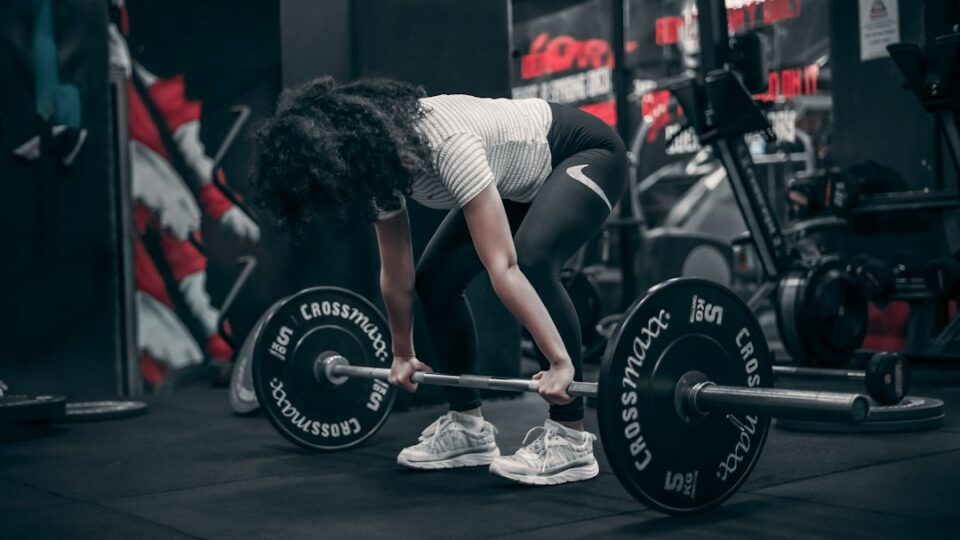
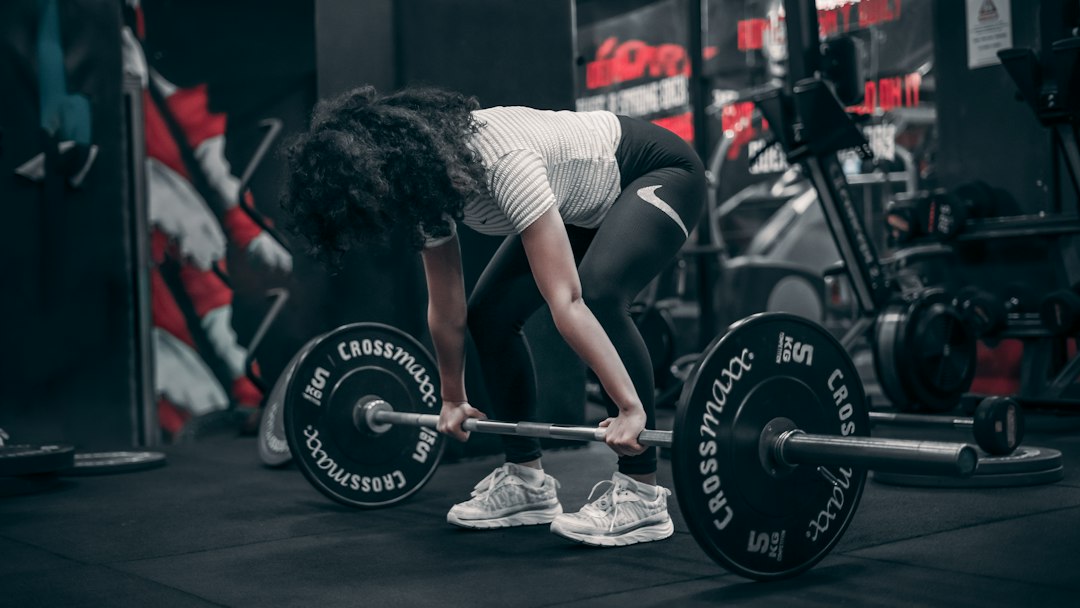
Hinge (hip hinge or Romanian deadlift): Think “hips back, back long.” Push your hips behind you like you’re closing a car door. Keep a soft bend in your knees, a neutral spine, and your neck long. Feel tension in your hamstrings as you lower and your glutes as you stand tall.
Push (push‑up or dumbbell press): Brace your midsection as if someone will poke your sides. For push‑ups, hands under shoulders, elbows at about 45 degrees, and your body in one line from head to heels or knees. In a dumbbell press, keep your shoulder blades gently down and back and drive through the floor with your feet.
Pull (row or pull‑down): Lead with elbows. Keep your rib cage over hips and avoid shrugging to your ears. Picture squeezing a credit card between your shoulder blades at the top. Lower smoothly; the return is part of the rep.
Lunge (split squat or reverse lunge): Imagine you’re standing on train tracks, not a tightrope. Keep distance between your feet left to right, stay tall, and let the front knee track over the middle of your foot. Split your weight through the front heel and midfoot.
Carry (farmer’s carry): Stand tall and walk slowly like you’re balancing a book on your head. Grip the handles, keep ribs stacked, and take small, deliberate steps. The point is posture under load, not speed.
Two universal rules help beginners learn quickly: move with control, and finish each set with one or two reps “in the tank.” That spare capacity keeps positions tidy and lets you come back ready for more.
The 12-week plan, phase by phase
Train two or three nonconsecutive days per week. If you’re busy or brand new, begin with two. If your schedule allows, add a third. Most sessions take 30–45 minutes including a short warm‑up. Start light, move well, and use the same handful of exercises often enough to see improvement on the page.
Weeks 1–4: Learn the patterns
Session A
- Goblet squat 3×8–10
- One‑arm row 3×8–10 per side
- Hip hinge (bodyweight or light dumbbell) 3×10–12
- Farmer’s carry 3×30–40 steps
Session B
- Dumbbell press (floor or bench) 3×8–10
- Split squat 3×8–10 per leg
- Lat pull‑down or band pull‑apart 3×10–12
- Dead bug 3×6–8 per side
Pick loads that feel like you could do 2–3 more reps at the end of each set. Rest 60–90 seconds between sets. Log the weight and how many reps you completed. The aim here is calm, repeatable technique and learning how each lift should feel.
Weeks 5–8: Build capacity
Session A
- Goblet squat 4×6–8
- One‑arm row 4×6–8
- Romanian deadlift 3×8–10
- Farmer’s carry 3×40–60 steps
Session B
- Dumbbell press 4×6–8
- Split squat 3×8–10 per leg
- Lat pull‑down 3×8–10
- Side plank 3×20–30 seconds per side
Optional Session C (only if you feel fresh and have time)
- Kettlebell swing (or hinge practice) 3×15
- Push‑up 3×as many as feel controlled, leaving 2 reps in reserve
- Band face pull 3×12–15
- Carry 3×60–80 steps
When you hit the top of a prescribed rep range for all sets with steady form, nudge the weight up next time (2–5 lb per dumbbell, or the next pin). If the jump feels large, add a rep per set, add a set, or slow the lowering phase before increasing load.
Weeks 9–12: Get stronger, simply
Session A
- Front‑loaded squat (goblet or double dumbbells) 5×5
- One‑arm row 4×6
- Romanian deadlift 4×6–8
- Carry 3×80–100 steps
Session B
- Dumbbell press 5×5
- Split squat 4×6–8 per leg
- Pull‑down 4×6–8
- Pallof press 3×10 per side
Optional Session C (if week feels good)
- Swing 5×10
- Elevated push‑up 4×6–8
- Single‑arm row 3×8–10 per side
- Carry 3×100–120 steps
If you’re using 5×5, aim to use the same weight across sets. Finish with one rep in reserve (RIR 1–2). If your last rep is slower but still smooth, you’re dialed in. If positions slip — knees cave, back rounds, shoulders shrug — nudge the load down and finish crisp.
Time‑boxed option for any week: On days when you have 20 minutes, do the main lift for 12 minutes (alternating sets with a pulling movement if you like), then a carry for 5–8 minutes. Example: goblet squat × 6, row × 6 on a gentle timer, then farmer’s carry laps. This keeps momentum without wrecking your schedule.
Smart progression: load, reps, and effort
Beginners often ask, “How much should I add and how often?” Use this three‑question checklist to decide:
- Did you reach the top of the rep range for all sets?
- Did your final rep look like your first (no jerking or wobbling)?
- Did you feel like you could do one more clean rep?
If you answer yes to all three, increase the weight slightly next session. If you checked only one or two, keep the same weight and add a rep per set or an extra set. You can also make a set harder by pausing at the lowest or most challenging point for one second, or by taking a 3–4 second lowering phase. These are “micro‑progressions” that build strength without forcing big jumps.
To gauge effort, use reps‑in‑reserve (RIR). For most working sets, stop with 1–3 reps still available. That zone teaches your body the skill while keeping you fresh. Save near‑max sets for later in the plan or movements you’ve practiced often.
Signs a weight is too heavy for the day: posture collapses at the bottom of a squat, your hips shoot up first in a hinge, or your breathing feels spiky and rushed. It’s fine to step back, finish with clean sets, and return to heavier loads next session. Smooth practice now leads to faster progress later.
Warm‑up, mobility, and cooldown that fit in five minutes
Warm‑ups don’t need to be long to be useful. In five minutes you can raise your temperature, rehearse the first lift, and loosen the spots that tend to feel sticky.
Five‑minute template (30–45 seconds each):
- March in place or easy jump rope
- Lunge with rotation (or the “world’s greatest stretch” if you like it)
- Hip hinge with reach to practice the hinge pattern
- Band pull‑aparts or wall slides for shoulders
- Two very light sets of your first exercise
If a specific joint feels tight, add one targeted drill for 30–60 seconds: ankle rocks before squats, 90/90 hip switches before lunges, or cat‑cow before rows. Keep it brief and focused. After training, a minute or two of relaxed breathing, gentle walking, or light mobility can help you settle down and transition to the rest of your day.
Recovery habits that support training
Recovery is how your body responds to the signal from training. You don’t need complicated routines to support it — just a few basics you can repeat most days.
Sleep: A steady bedtime and wake time help a lot. Darken your room, keep it slightly cool, and try a short wind‑down: dim lights, skim a book, or listen to calming music. Even shifting bedtime 30 minutes earlier often makes sessions feel noticeably better within a week.
Protein and meals: Include a protein source at each meal — eggs or Greek yogurt at breakfast; beans, lentils, or chicken at lunch; tofu, fish, or lean beef at dinner. If appetite is low after workouts, a smoothie is easy: milk or plant milk, frozen fruit, a scoop of yogurt or protein powder, and a spoon of nut butter. Spreading protein through the day supports the changes you want from training.
Hydration: Keep water available, drink to thirst, and add a pinch of salt and a squeeze of citrus to one bottle if you train in warm conditions. A quick self‑check: if your mouth is dry at the start of a session, sip water and give yourself a few extra easy warm‑up sets before your first working set.
Stress management: Life stress and training share the same battery. Short, realistic routines work best: five minutes of nasal breathing, a ten‑minute walk without your phone, or a light mobility flow in the evening. Choose one you’ll actually use, not the one that looks fancy on paper.
Time‑crunched plans, travel tweaks, and contingencies
Busy week? Use a 20–25 minute “power session.” Alternate two movements for 12–15 minutes, then finish with a carry. The pairing keeps rest short while technique stays sharp.
- Option 1: Goblet squat × 6–8 and row × 6–8 (alternate), then farmer’s carry for 5–8 minutes of short laps
- Option 2: Dumbbell press × 6–8 and split squat × 6–8 per leg (alternate), then farmer’s carry
Traveling? If your hotel gym has limited dumbbells, pick the heaviest pair you can move crisply. Adjust reps to keep 1–2 in reserve. If you only have bands, slow the lowering phase and pause at the hardest point. Bodyweight only? Try circuits of squats, incline push‑ups (hands on a desk), glute bridges, and side planks. Keep the same focus: smooth reps and one rep left in the tank.
When life gets chaotic, remember the minimum effective dose. Two short sessions this week maintain your groove better than waiting for a perfect window that doesn’t arrive. Consistency is the compounding force you’re after.
Troubleshooting common snags
Doing too much, too soon: Enthusiasm spikes early. Resist the urge to add four new exercises every session. Mastery thrives on repetition. Stick to the six patterns and let volume rise slowly.
Chasing soreness: Soreness isn’t a reliable sign of progress. It often means you did something new or more than your body is used to. Favor steady performance gains — one more rep, a tiny bit more weight, smoother technique — over “how sore did I get.” Many lifters feel occasional, mild soreness, but its absence doesn’t mean the day was wasted.
Ignoring technique drift: As sets get harder, range of motion tends to shorten or posture changes. That’s your signal to end the set. Better to stop one rep early than to teach your body a wobbly pattern.
Inconsistent logging: Without a log, you’ll repeat weights randomly and miss easy progress. A simple note like “Goblet squat 25 lb × 3×10, RIR 2, smooth” is enough. Next time, you’ll know whether to add a rep, add a set, or nudge the load.
All‑or‑nothing thinking: If you miss a workout, you’re not off the plan; you’re human. Pick up where you left off or repeat the last session. Strength work forgives pauses when you return patiently.
Nutrition, logging, and measuring progress
Think patterns, not perfection. You don’t need strict rules to support strength, just a few anchors you can return to when life gets busy.
- Protein anchor: Include a palm‑sized portion at each meal (or a cupped‑hand portion for beans, lentils, or grains). Spreading intake across the day supports the changes you want from your sessions.
- Produce anchor: Add a handful of colorful vegetables or fruit to most meals. This supports overall energy and makes meals more satisfying.
- Carb anchor: On training days, include a fist of starch (rice, potatoes, oats, or whole‑grain bread) in one or two meals if it helps you feel steady during sessions.
Snacks that travel well: Greek yogurt with fruit, a simple smoothie, apple with peanut butter, tuna and crackers, hummus with pita, cottage cheese and berries, or a wrap using last night’s leftovers. Keep one or two options in your bag or desk so you’re not stuck with whatever’s closest when you’re hungry.
Measure progress in more ways than the scale:
- Performance: More reps with the same load, or the same reps with a slightly heavier load
- Quality: Smoother tempo, full range of motion, steady breathing
- Life wins: Lifting a suitcase overhead without hesitation, carrying groceries in one trip, or finishing a hike feeling composed
- Consistency: Two to three sessions most weeks for twelve weeks
Use a simple training log. Write the date, exercise, sets, reps, load, and one short note about how it felt. Every four weeks, glance back through your notes. You’ll likely see you’re doing more with less drama — a reliable sign your base is growing. If progress stalls on a lift, rotate the variation for a bit (for example, goblet squat to box squat), then return later to test the carryover.
When you feel ready for more after week twelve, keep the same structure. Cycle rep ranges (e.g., a few weeks of 8–10s, then 5–8s, then a block of 5×5), add a small weekly progression target, and keep your favorite time‑crunched sessions in your back pocket. Simple, repeatable programs are the ones people stick with, and adherence multiplies every other choice you make.
For more practical guides, sample workouts, and habit ideas, visit lknfitlife.com and bookmark resources you find useful. Having a familiar home base lowers decision fatigue and keeps you moving forward.