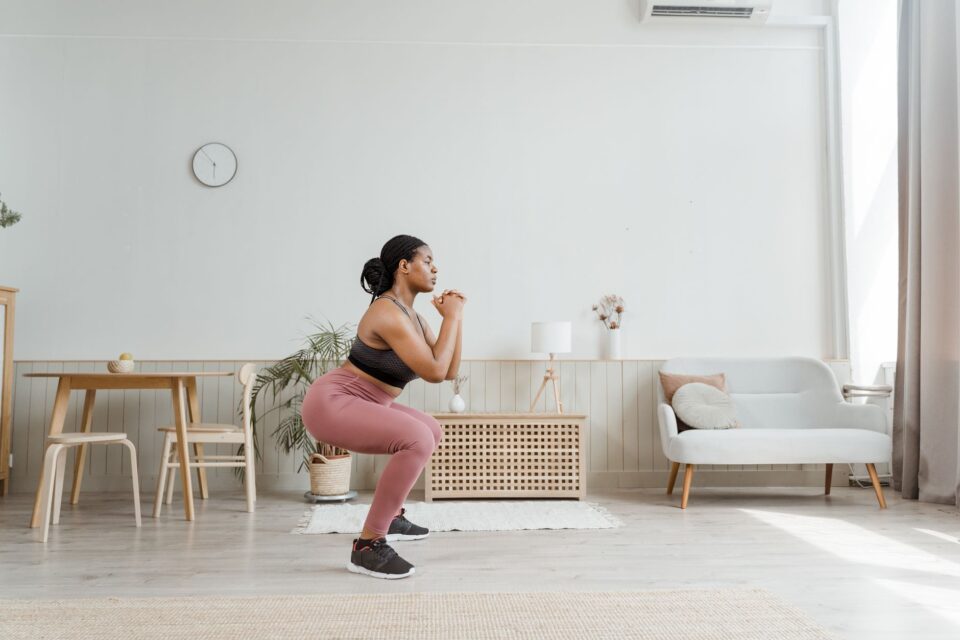
Searching for abs and legs exercises you can do today? Yes—training legs and abs together is efficient: do legs first with squat, hinge, and lunge patterns, then finish with 2–3 targeted core moves; a fast starter plan is 3 rounds of Goblet Squat, Romanian Deadlift, Split Squat (8–12 reps each), then Reverse Crunch, Plank, Side Plank (10–15 reps or 30–45 seconds holds), resting 45–90 seconds between sets for a 20–30 minute session.
Why legs before abs? Big lower-body lifts already recruit the core; keeping your trunk fresh helps you brace better and protect your back. After your leg work, finish with targeted core moves that resist extension and rotation. If you want a quick answer: choose one squat pattern, one hinge, one lunge, and two or three core finishers. That’s the simplest way to cover your bases without guessing.
abs and legs exercises: the quick plan (plus time, swaps, progression)
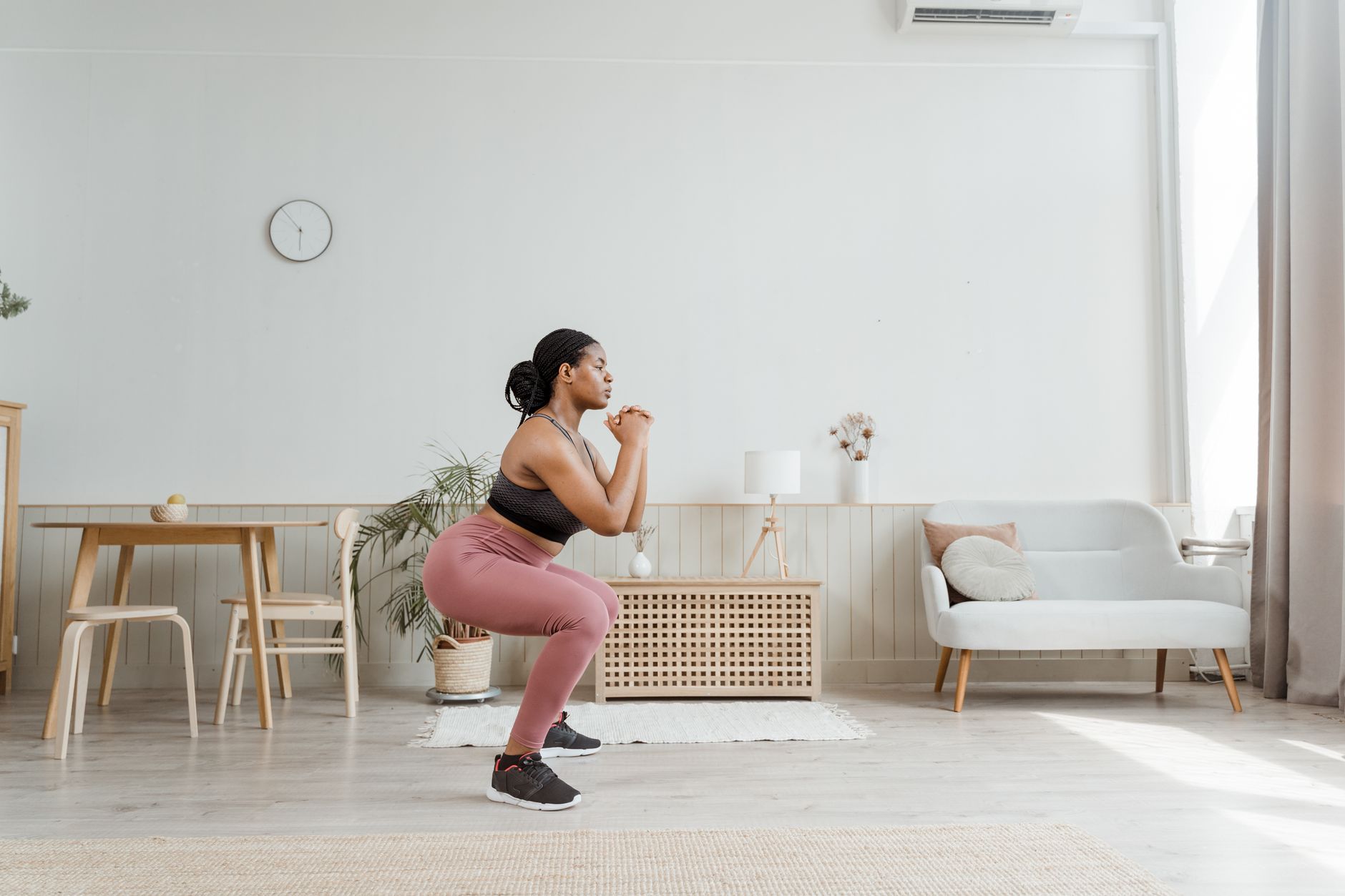
Pairing legs and core works because compounds like squats and hinges demand rigid bracing, while your finisher can target what compounds miss (reverse crunch for lower abs, side plank for lateral stability, Pallof press for anti-rotation). Start with this structure:
- Order: Squat pattern → Hinge pattern → Lunge/Split-Squat → Core finisher (2–3 moves)
- Sets and reps: 2–4 sets of 6–12 on legs; 2–3 sets of 8–15 reps or 20–60 second holds on core
- Rest: 60–120 seconds on strength-focused sets; 30–60 seconds for circuits or conditioning
Choose your time: 20/30/45-minute templates
| Goal | Duration | Exercise order | Sets/Rounds | Work:Rest | Total estimated time |
|---|---|---|---|---|---|
| Strength | 20 min | Goblet Squat → RDL → Split Squat → Plank | 2 sets each | 8–10 reps; 90s rest | ~20 min |
| Strength | 30 min | Back Squat → RDL → Split Squat → Reverse Crunch + Side Plank | 3 sets legs; 2 sets core | 6–10 reps; 90–120s rest; core 30–45s | ~30 min |
| Strength | 45 min | Back Squat → RDL → Walking Lunge → Hip Thrust → Pallof Press | 4× legs; 3× core | 5–8 reps; 2:00 rest; core 10–12 reps | ~45 min |
| Conditioning | 20 min | Cycle: Goblet Squat → RDL → Reverse Crunch → Side Plank | AMRAP 3 rounds | 40s work : 20s rest | ~20 min |
| Conditioning | 30 min | 2 mini-circuits (Squat+Plank, Hinge+Reverse Crunch) then finisher lunges | 3 rounds each | 30–40s work : 20–30s rest | ~30 min |
| Conditioning | 45 min | Tri-set: Squat → Hinge → Lunge; Core tri-set: Reverse Crunch → Pallof → Side Plank | 3 rounds each | 12–15 reps; 45–60s rest between moves | ~45 min |
Exercise swaps by equipment
| Movement pattern | Gym exercise | Dumbbell/home alternative | Primary muscles | Sets × Reps or Hold | Key cues | Common mistakes |
|---|---|---|---|---|---|---|
| Squat | Back Squat | Goblet Squat | Quads, glutes, core | 3–4 × 6–10 | Brace, tall chest, knees track over toes | Heels lifting, collapsing knees |
| Hinge | Barbell RDL | Dumbbell RDL / Hip Hinge with backpack | Hamstrings, glutes, back | 3–4 × 6–10 | Push hips back, neutral spine, lats tight | Rounding back, reaching with arms |
| Lunge/Split | Walking Lunge | Split Squat / Reverse Lunge | Quads, glutes, adductors | 2–4 × 8–12/leg | Short forward lean, front foot flat | Too narrow stance, bouncing off knee |
| Bridge/Thrust | Barbell Hip Thrust | Glute Bridge (BW or DB) | Glutes, hamstrings | 3 × 8–15 | Tuck pelvis, squeeze at top | Overarching, not locking out |
| Reverse Crunch/Leg Raise | Hanging Leg Raise | Reverse Crunch on floor | Lower abs, hip flexors | 2–3 × 8–15 | Ribs down, curl pelvis off floor | Swinging legs, low-back arch |
| Plank | RKC Plank | Forearm Plank | Core, glutes, shoulders | 2–3 × 20–45s | Elbows under shoulders, glutes tight | Hips sagging, holding breath |
| Anti-rotation | Pallof Press (cable) | Band Pallof / Dead Bug | Obliques, deep core | 2–3 × 8–12/side | Exhale, resist twist | Rushing, rotating the torso |
| Rotation | Cable Russian Twist (light) | Bodyweight Russian Twist (light) | Obliques | 2 × 10–12/side | Slow, small range, neutral spine | Jerky, heavy twisting |
4-week progression at a glance
- Week 1: Learn moves, leave 2 reps in the tank (RPE 7–8). Planks 20–30s.
- Week 2: Add 5–10 lb to goblet/hinge or add 1–2 reps per set. Planks 30–40s.
- Week 3: Keep load; add a fourth leg set or slow the tempo (3-second lowering). Planks 35–45s.
- Week 4: Deload 20–30% volume or load; focus on crisp form and core tension.
When to modify or skip pairing: If you plan heavy squats or deadlifts at near-max loads, keep core finishers light and isometric (Pallof or planks). If your low back feels taxed, shorten ranges, switch to goblet squat and hip bridge, and choose anti-rotation over twisting.
The best abs and legs exercises (how to do them right)
Below are the moves most lifters can use safely and progress for months. Each includes a quick setup, back-friendly cue, and targets.
Squat (back squat or goblet)
- Setup: Feet shoulder-width, toes slightly out. Hold barbell high on traps (back squat) or a dumbbell at chest (goblet).
- Execution: Inhale, brace, sit between your hips, keep heels planted. Drive up by pushing the floor away.
- Back-friendly cue: Think ribs down and brace 360 degrees so your spine stays neutral.
- Targets: Quads, glutes, core.
- Sets/reps/rest: 3–4 × 6–10; rest 90–120 seconds for strength, 60–90 seconds for conditioning.
Hip hinge (Romanian deadlift / RDL)
- Setup: Bar or dumbbells in hands, soft knees, long spine.
- Execution: Push hips back until hamstrings load; keep weight close to thighs; stand tall by driving hips forward.
- Back-friendly cue: Keep the belt buckle pointing to your chin (slight posterior tilt) to avoid excessive arch.
- Targets: Hamstrings, glutes, upper back.
- Sets/reps/rest: 3–4 × 6–10; rest 90–120 seconds.
Lunge / split squat
- Setup: Staggered stance about hip-width; front shin vertical at bottom.
- Execution: Drop straight down; slight forward lean; push through the whole front foot to stand.
- Back-friendly cue: Think zipper-to-ribs to keep the trunk stacked.
- Targets: Quads, glutes, adductors.
- Sets/reps/rest: 2–4 × 8–12 per leg; rest 60–90 seconds.
Bridge / hip thrust
- Setup: Upper back on bench (hip thrust) or floor (bridge), feet flat.
- Execution: Tuck pelvis and drive hips up to a straight line shoulder-to-knee; pause 1–2 seconds.
- Back-friendly cue: Keep ribs down and chin slightly tucked.
- Targets: Glutes, hamstrings.
- Sets/reps/rest: 3 × 8–15; rest 60–90 seconds.
Reverse crunch / leg raise
- Setup: On your back, knees bent 90 degrees.
- Execution: Exhale, press low back softly into floor, curl tailbone up; lower slowly.
- Back-friendly cue: Keep range short and controlled; stop before your low back arches.
- Targets: Lower abs, hip flexors.
- Sets/reps/rest: 2–3 × 8–15; rest 45–60 seconds.
Plank / side plank
- Setup: Forearms under shoulders; side plank with elbow under shoulder and hips stacked.
- Execution: Squeeze glutes, pull ribs down, breathe behind the brace.
- Back-friendly cue: Imagine pulling your elbows to your toes (creates tension without arching).
- Targets: Entire trunk, especially obliques in side plank.
- Holds/rest: 20–45 seconds; rest 30–45 seconds.
Pallof press or dead bug (anti-rotation)
- Setup: Cable or band at chest height; stance about hip-width.
- Execution: Press arms straight; resist the pull; exhale slowly; return under control.
- Back-friendly cue: Soft ribs and neutral pelvis; don’t rotate—resist it.
- Targets: Obliques, deep core.
- Sets/reps/rest: 2–3 × 8–12 per side; rest 45–60 seconds.
Russian twist (light and controlled)
- Setup: Sit tall, lean slightly back, feet down or lightly elevated.
- Execution: Hold a light plate or just hands together; rotate shoulders a few inches side to side slowly.
- Back-friendly cue: Small range, smooth breathing; focus on trunk rotation, not swinging arms.
- Sets/reps/rest: 2 × 10–12 per side; rest 45–60 seconds.
Follow one of these sample workouts (by goal and equipment)
Strength focus (gym or dumbbells)
Straight sets with longer rests. Keep 1–2 reps in reserve.
- Back Squat or Goblet Squat — 4 × 6–8, 2:00 rest
- Romanian Deadlift — 4 × 6–8, 2:00 rest
- Walking Lunge — 3 × 8–10/leg, 90s rest
- Reverse Crunch — 3 × 10–12, 45–60s rest
- Side Plank — 2 × 30–45s/side
Conditioning/toning (circuits or supersets)
Shorter rests to keep the heart rate up while keeping reps clean.
- Tri-set for 3–4 rounds, 45s between moves: Goblet Squat 10–12 → DB RDL 10–12 → Split Squat 8–10/leg
- Core finisher for 2 rounds: Plank 30–40s → Pallof Press 10/side → Reverse Crunch 10–15
No-equipment at home (bodyweight + tempo)
Controlling tempo and adding pauses makes bodyweight work challenging.
- Tempo Squat (3s down, 1s pause) — 4 × 12
- Hip Bridge — 4 × 15 with 2s squeeze
- Reverse Lunge — 3 × 10/leg
- Dead Bug — 3 × 8/side, slow
- Side Plank — 2–3 × 20–40s/side
Scale up by adding load, reps, or range of motion; scale down by reducing sets or using partial ranges. If a movement bothers your back, make the lever shorter (bend knees in leg raises, hold weight close in squats/RDLs) and reduce the depth until it’s comfortable.
Warm-up and cool-down in 5 minutes each
Use a simple ramp-up so your hips, knees, and trunk are ready to work.
- 2 minutes light cardio: brisk walk, bike, or jump rope.
- Mobility: 30–45 seconds each of ankle rocks, hip openers, and thoracic rotations. If ankles are stiff, see our band options: resistance band for ankle mobility.
- Core activation: 1–2 sets of dead bug or short forearm planks for 15–20 seconds to learn bracing.
- Movement primers: 10 bodyweight squats, 10 hip hinges (hands on hips), 6 split squats/side.
Cool-down ideas: 2 minutes easy walking and nasal breathing; then 30–45 seconds each of quad, hamstring, and glute stretches. For broader flexibility ideas, here’s a practical overview: mobility and stretching routines. If you enjoy low-impact conditioning between strength days, this guide can help you plan it wisely: benefits of cardio.
Programming and recovery: where this fits in your week
- Frequency: 1–3 sessions per week depending on your total training load and goals.
- Order matters: Legs before abs to keep bracing strong during compounds.
- Core placement: If your session includes very heavy squats or deadlifts, make core work lighter and isometric, or move rotational core to another day.
- Split ideas: Full-body days with this leg+core block; a lower-body day that ends with core; or alternate days (e.g., Day 1 lower+core, Day 2 upper, Day 3 cardio or full-body).
- Recovery tips: Walk 10–20 minutes later in the day, sprinkle in light mobility, sleep 7–9 hours, and keep protein adequate.
Newer lifters may benefit from a structured blueprint to slot this in. If you need a bigger picture program, see our practical outline here: 12-week strength plan.
Common mistakes (and easy fixes)
- Over-fatiguing the core before squats or hinges. Fix: place core work after legs or use short, light anti-rotation activation only.
- Excessive low-back arch in leg raises or RDLs. Fix: ribs down, brace, shorten the range, and keep the weight close.
- Going too heavy on twists. Fix: keep load light, move smoothly, and prioritize anti-rotation first.
- Rushing reps and skipping rest. Fix: set a timer and stick to it—quality reps beat sloppy volume.
- Letting knees cave in on squats and lunges. Fix: push the floor apart and track knees over mid-foot.
- Holding your breath too long. Fix: breathe behind the brace—short exhales on exertion help.
FAQs
Does working legs work abs?
Yes. Squats, deadlifts, lunges, and hip thrusts all require strong bracing. Your trunk resists movement so your legs can produce force. You’ll still benefit from a short, focused core finisher that targets what compounds don’t directly train, such as anti-rotation or pelvic curling.
What is the 3-3-3 rule in the gym?
It’s a simple heuristic: pick 3 exercises, do 3 sets each, train 3 days per week. For abs and legs, that could be Squat, RDL, Split Squat on one day, then two or three core finishers at the end. It’s not a universal rule, just a minimal structure many people can follow.
What are the 7 main exercises or movement patterns?
Think patterns, not just lifts: squat, hinge, lunge, push, pull, carry, and rotation/anti-rotation. You’ll hit the first three plus core in this session. On other days, add push/pull and carries (farmer’s carries) for balance.
Can I get abs in 30 days?
You can improve core strength and definition in a month, especially if your nutrition supports a healthy body composition. Visible abs depend on overall body fat and muscle size. Many people notice better posture, tighter planks, and stronger reverse crunches inside 30 days; visible changes vary by person.
Can I do abs and legs on the same day?
Yes, and it’s efficient for most lifters. Do legs first. If your program calls for very heavy squats or deadlifts, keep core light and isometric that day, then do more demanding ab work (like leg raises) on a lighter day.
Printable checklist and 4-week tracker
Use this quick checklist to keep sessions tight and make week-to-week progress obvious.
- Warm-up complete (2 min cardio + mobility + primers)
- Main block: Squat → Hinge → Lunge/Split — sets and reps recorded
- Core finisher: 2–3 moves (reverse crunch, plank, side plank, Pallof) — times/reps recorded
- Cool-down: 2 min easy walk + 2–3 stretches
- RPE (effort) for the session: ___/10
- Total time: ___ minutes (target 20/30/45)
4-week progression tracker:
- Date: __________ | Template used (20/30/45): __________
- Squat: Load/Reps — Week 1 _____ | Week 2 _____ | Week 3 _____ | Week 4 (deload) _____
- Hinge: Load/Reps — Week 1 _____ | Week 2 _____ | Week 3 _____ | Week 4 _____
- Lunge/Split: Reps each side — Week 1 _____ | Week 2 _____ | Week 3 _____ | Week 4 _____
- Core holds/reps: Plank ____s | Side Plank ____s/side | Reverse Crunch ____ reps | Pallof ____/side
- Notes (exercise swaps, pain-free ranges, tempo tweaks): __________________________________
If you like adding direct ab varieties to mix things up, learn a crisp floor option here: ab toe touches. Keep them light and controlled when they share a day with heavy squats.
Stick with the plan, choose your template by time, progress one variable each week, and keep your form honest. That’s how a simple abs-and-legs day turns into steady progress.